
beauty mirror with lights
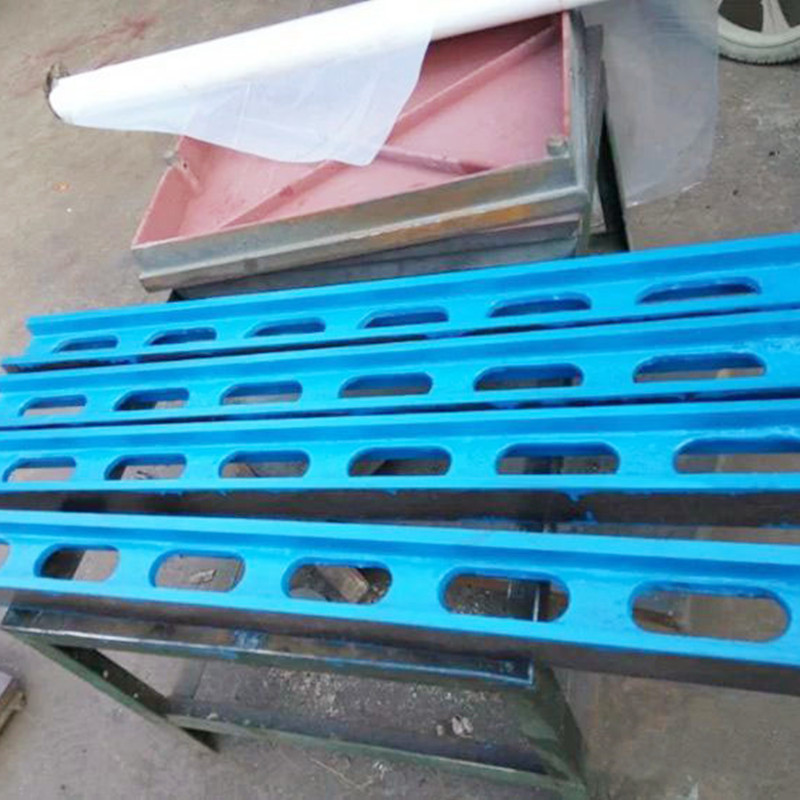
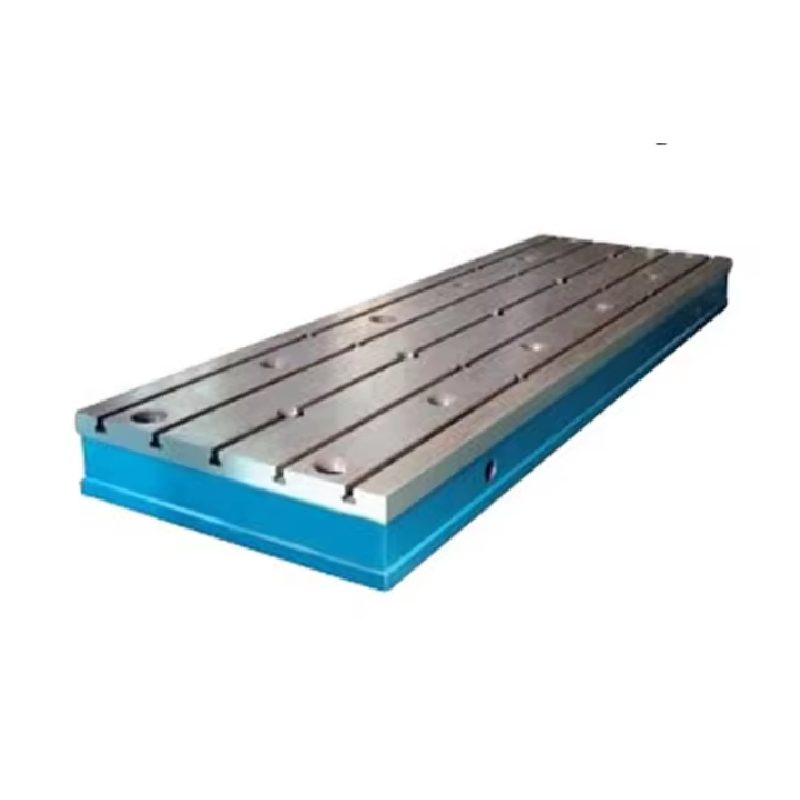
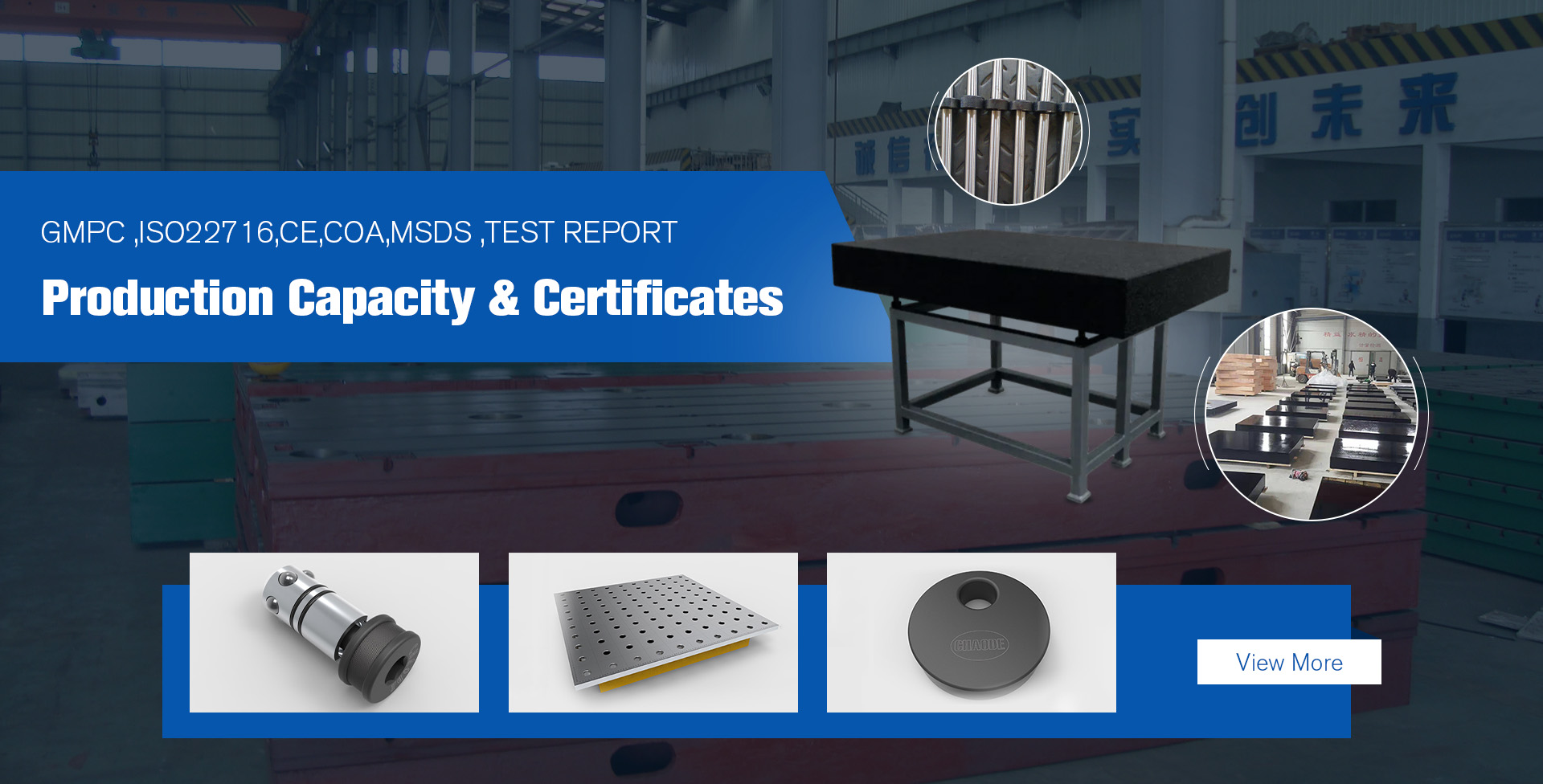
The Importance of Precision Cast Iron Surface Plates in Manufacturing Precision cast iron surface plates are critical tools in the manufacturing and engineering sectors, playing a pivotal role in quality control, machining, and assembly. These flat surfaces are meticulously engineered to provide a reliable reference for measuring other components, ensuring that the highest levels of accuracy and precision are maintained throughout the manufacturing process. Understanding Precision Cast Iron Cast iron is a group of iron-carbon alloys with a carbon content greater than 2%. It stands out for its excellent castability, wear resistance, and vibration-damping qualities. Precision cast iron specifically refers to those cast irons that are treated and processed to create exceptionally flat and uniform surfaces. Such surfaces are achieved through a combination of careful material selection and advanced manufacturing techniques, including grinding and lapping. One of the key attributes of precision cast iron is its outstanding dimensional stability. This means that once machined, cast iron retains its shape and flatness over time, even when subjected to changes in temperature and humidity. This characteristic is paramount in a myriad of applications where slight deviations can lead to significant quality issues. Applications of Precision Cast Iron Surface Plates Precision cast iron surface plates are widely used in various industries, including automotive, aerospace, and machinery manufacturing. They serve several essential functions 1. Measuring Reference These plates provide a known flat surface against which other components can be measured. Tools such as height gauges and dial indicators can be utilized on these plates to gauge the precision of parts, ensuring they are produced to exact specifications. 2. Assembly Aid Surface plates help in aligning components during assembly, ensuring that parts fit together accurately and operate as intended. This is especially important in complex assemblies where even minor misalignments can result in functional failures. precision cast iron surface plate 3. Quality Control Quality assurance teams rely on precision cast iron surface plates to check the tolerance levels of parts before they proceed down the production line . This is crucial in ensuring that only components that meet stringent quality guidelines are utilized in final products. 4. Tool Setups In the setup of machining tools, precision cast iron surface plates are invaluable. They enable machinists to securely place and align workpieces to achieve required machining operations with maximum accuracy. Advantages of Precision Cast Iron Surface Plates The advantages these plates offer are significant - Durability Cast iron is robust and can withstand heavy loads without deforming, providing long-term reliability. - Non-Warping Unlike other materials that may warp over time, well-maintained cast iron surfaces remain flat and accurate throughout their lifespan. - Vibration Damping Cast iron has excellent vibration-damping properties, which is essential for maintaining precision during measurements and machining operations. - Cost-Effectiveness While the initial investment may be substantial, the longevity and durability of these plates typically lead to lower replacement and maintenance costs over time. Maintenance and Care To ensure longevity and precision, proper maintenance of cast iron surface plates is crucial. Regular cleaning with appropriate solvents helps remove debris and contaminants that can affect accuracy. Additionally, these plates should be periodically checked for flatness and any signs of wear or damage. It is also essential to store them in a dry, controlled environment to prevent rust or corrosion. Conclusion Precision cast iron surface plates are indispensable in modern manufacturing and engineering practices. Their reliability, accuracy, and durability make them essential for measuring, aligning, and verifying the precision of various components. As industries continue to advance and demand ever-greater accuracy in their products, the role of precision cast iron surface plates will only become more vital. Investing in high-quality surface plates and maintaining them properly is crucial to achieving manufacturing excellence and client satisfaction.
about
beauty mirror with lights
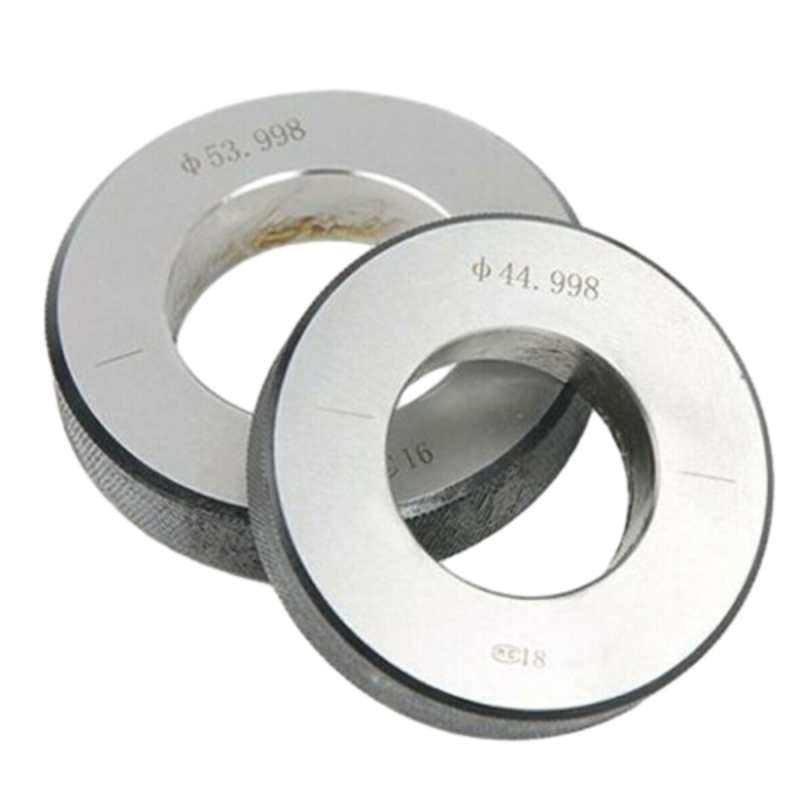
Understanding Standard Plug Gauges An Essential Tool in Precision Engineering In the world of manufacturing and engineering, precision is of utmost importance. Whether it’s in automotive production, aerospace engineering, or any form of mechanical assembly, ensuring that components fit together perfectly is vital for the safety, functionality, and quality of the final product. One of the key tools used to achieve this level of precision is the standard plug gauge. What is a Standard Plug Gauge? A standard plug gauge is a cylindrical tool used to measure the diameter of holes or the internal dimensions of parts. It serves two primary purposes to check whether a hole is within a specified size tolerance (go) or if it is out of specification (no-go). The gauge typically features two ends—one marked “go” and the other marked “no-go.” When the “go” end of the plug gauge fits snugly into the hole, it indicates that the dimension is acceptable. If the “no-go” end does not fit into the hole, it further confirms that the dimension is within the specified tolerance limits. This simplicity and effectiveness make standard plug gauges indispensable in quality control processes. Construction and Materials Standard plug gauges are usually constructed from high-quality steel, which offers durability and resistance to wear. They are often heat-treated to enhance their hardness, ensuring that they retain their shape and accuracy even after repeated use. The finishing process typically involves grinding and polishing to achieve precise dimensions and a smooth surface, which is important for reliable measurement. In some specialized applications, plug gauges may be made from different materials such as carbide or even ceramic, especially when extreme durability or heat resistance is required. These materials allow for greater longevity and maintain accuracy over a longer period, which is a critical factor in industries that demand high precision. standard plug gauge Applications of Standard Plug Gauges Standard plug gauges are widely utilized across various industries. In the automotive sector, they are used to ensure that engine components fit together correctly, which is essential for optimal performance and safety. Similarly, in the aerospace industry, plug gauges help maintain stringent tolerances required for aircraft parts, where even minute discrepancies can lead to catastrophic failures. Moreover, plug gauges are used in assembly lines to streamline the production process. By incorporating these gauges into the quality assurance phase, companies can detect defects early, reducing waste and rework costs. Additionally, plug gauges are invaluable in tool and die making, where precision is critical for the creation of molds and parts. Calibration and Standards The accuracy of standard plug gauges is paramount to their effectiveness. Regular calibration is essential to ensure that they maintain their specified dimensions and tolerances. Calibrating plug gauges typically involves comparing them against a master gauge with known dimensions. This process helps identify any discrepancies that need adjustment. Moreover, standard plug gauges must adhere to internationally recognized standards, such as those set forth by the American National Standards Institute (ANSI) and the International Organization for Standardization (ISO). Compliance with these standards not only ensures consistency in measurement but also fosters trust among manufacturers and customers alike. Conclusion In conclusion, standard plug gauges play a crucial role in precision engineering and quality control across various industries. Their simple design, combined with their effectiveness in measuring internal dimensions, makes them an invaluable tool for ensuring that components meet rigorous specifications. As technology continues to advance, the importance of precise measurements will only increase, solidifying the position of standard plug gauges as essential instruments in the manufacturing world. Ensuring their proper use and maintenance is vital for any enterprise aiming for excellence in production and assembly processes.
-

High quality industrial productsagement

High quality industrial products
View Details -

Meet the diverse needs of customers

Meet the diverse needs of customers
View Details -

Strict quality control

Strict quality control
View Details -

Top raw materials

Top raw materials
View Details -

Trusted supplier

Trusted supplier
View Details
Our application


news and information
Water valve issues preventing proper shut off and causing leaks in the system
Troubleshooting a Water Valve That Won't Shut Off Dealing with plumbing issues can be a homeowner's
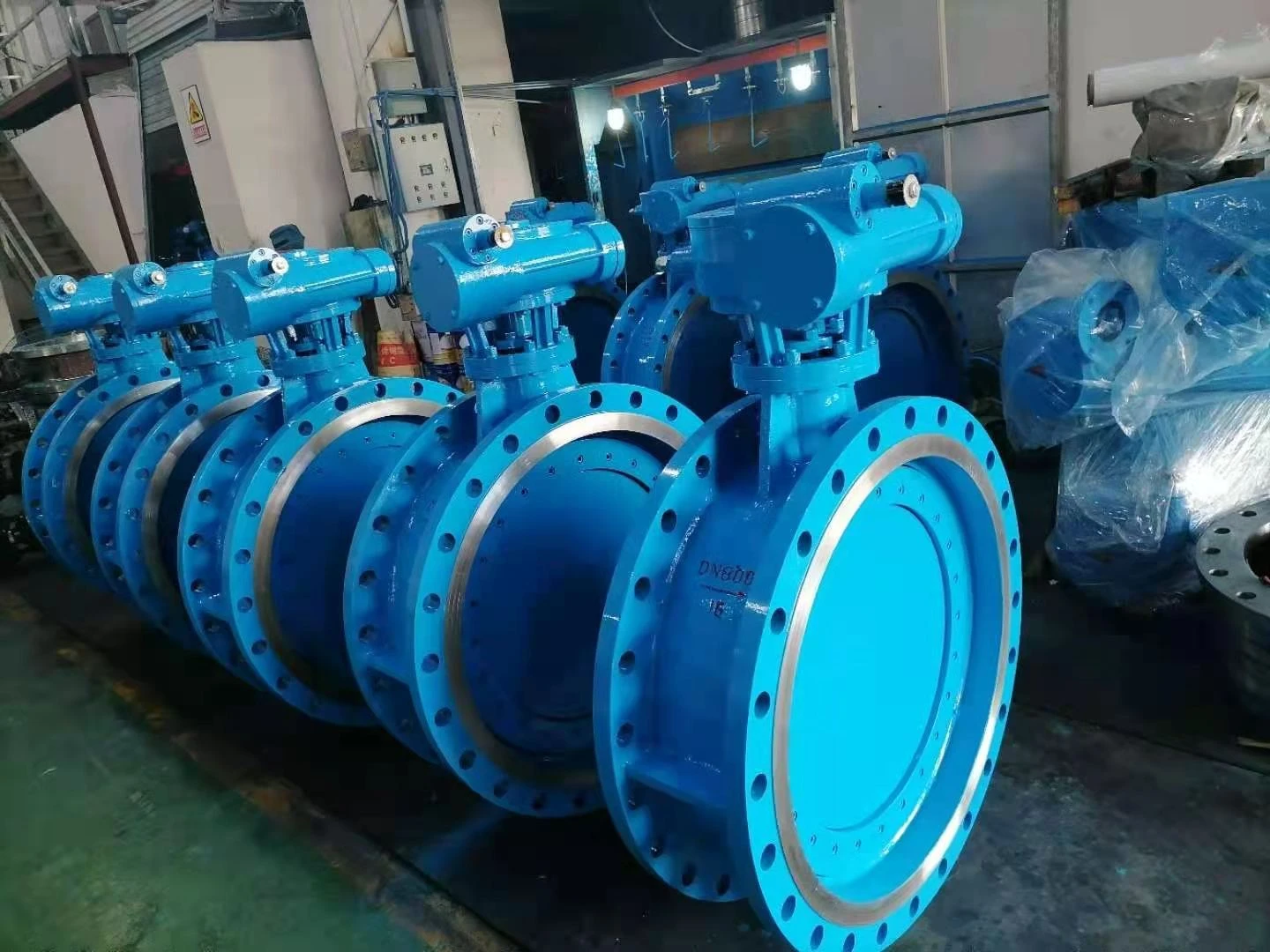
Valvola di cancello a flangia da 6 pollici
Un componente essenziale nei sistemi di gestione dei fluidi industriali è la valvola a saracinesca f
Vanne d'arrêt de 4 pouces
Vanne à Globe de 4 Pouces Caractéristiques et Applications Les vannes à globe sont des éléments ess
 English